

The Economist of Nature
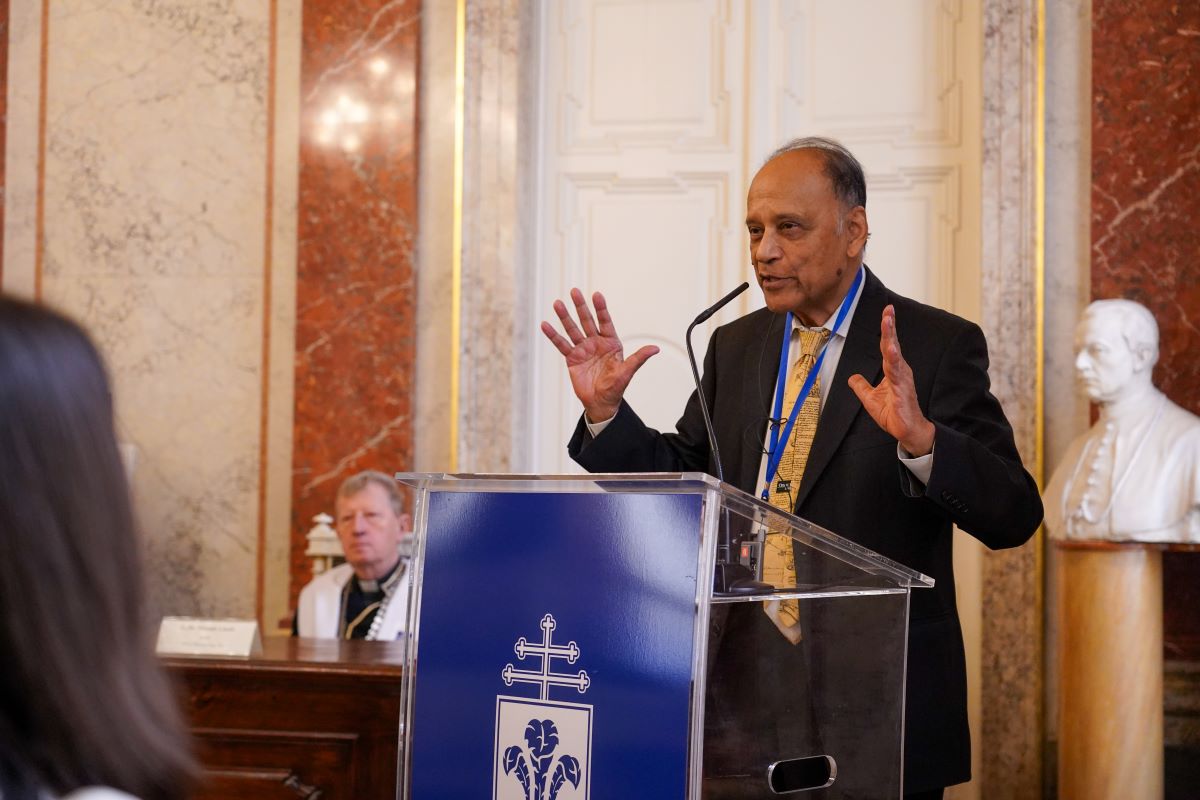
Indian-British economist Sir Partha Dasgupta received an Honorary Doctorate at Péter Pázmány Catholic University.
At the request of the British government, Professor Sir Partha Dasgupta prepared the widely cited report, The Economics of Biodiversity in 2019, which was published in 2021. The abridged version of the study was translated by Péter Pázmány Catholic University and presented in May 2025 at a professional conference, where Professor Dasgupta also gave a lecture in person.
The core message of the report is clear: our well-being cannot be measured by GDP only, but by the total wealth, which, besides money, also includes human and natural capital – people, the natural habitats, water, soil, and ecosystems.
The report on “the economics of biodiversity” highlights that the degradation of natural capital causes losses and elevates risks across all sectors. Nature is not an external factor of the economy or a resource for it; rather, it is the economy that is embedded in the biosphere. Without understanding that and re-evaluating our approach, agricultural and food systems become unstable, systemic risks increase, and the current model of economic growth becomes unsustainable.
In the future, the most competitive economies will be those that incorporate natural resources (such as water, soil, biodiversity, pollinators, and ecosystem services) as capital into their economic decision-making. And their deterioration (e.g., species extinction, habitat loss, soil degradation, water and air pollution), they interpret not only as risks but as a reduction in capital, while they treat restoration or regeneration investments as value creation.
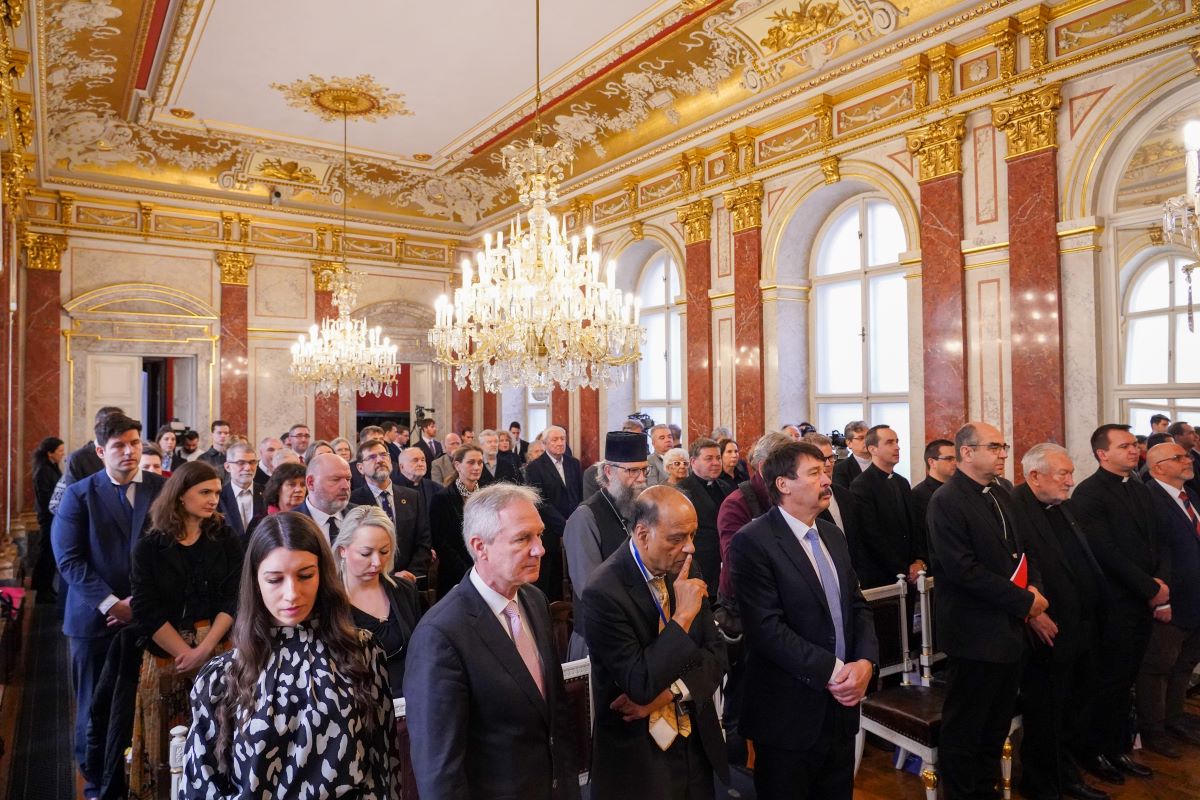
On February 26, the Péter Pázmány Catholic University conferred an honorary doctorate on Professor Dasgupta in recognition of his outstanding scientific achievements.
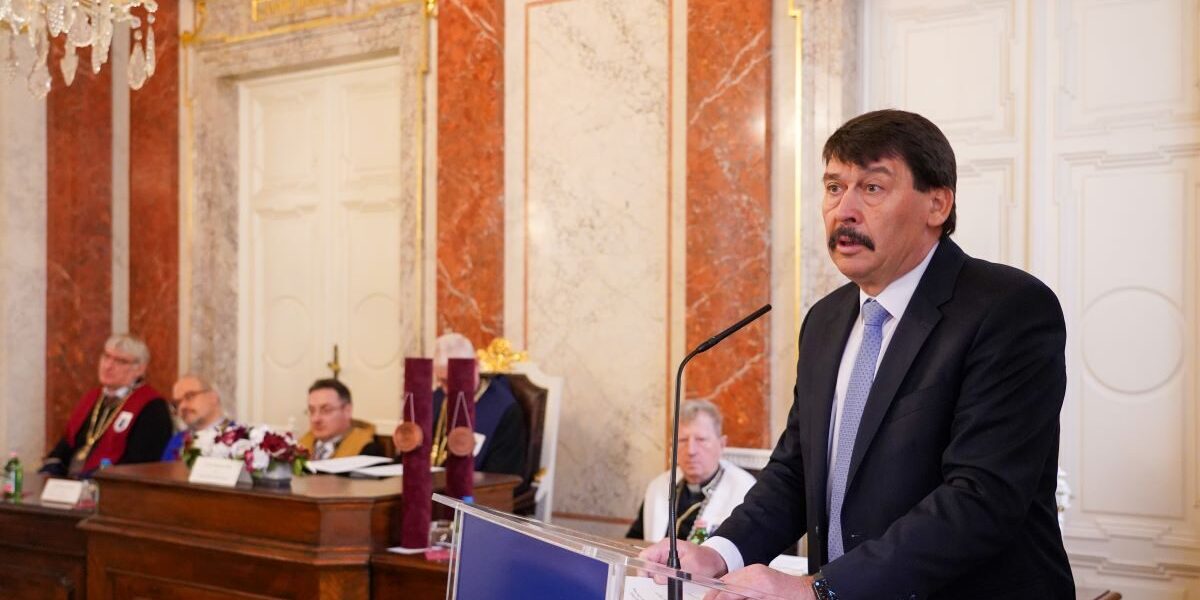
Former President of Hungary János Áder, Chairman of the Board of Trustees of the Blue Planet Climate Protection Foundation, pointed out in his laudation at the university that the Dasgupta Report demonstrated how a more down-to-earth, accounting mindset is essential for protecting the Earth.
“If nature is our common wealth, then we are all its stewards and shareholders. It is only right to treat it with care, from generation to generation, to regard the atmosphere, the climate, the soil, and water as public goods. We must see clearly: biodiversity is a precondition for the resilience of our living systems. The right thing to do is not only to consider our well-being, but also that of the next generations.” János Áder pointed out that Sir Dasgupta serves as an example for present and future researchers: in the relentless pursuit of truth, in confidence grounded in thoroughness, along with the professional humility that naturally and inseparably accompanies it. He also sets an example by combining high-level scientific reasoning with a clear, accessible explanation.
Professor Sir Partha Dasgupta
Sir Partha Dasgupta was born in Dhaka (now Bangladesh) in 1942 and studied in Varanasi, Delhi, and Cambridge. He is the Frank Ramsey Emeritus Professor of Economics at the University of Cambridge and a fellow of St John’s College, Cambridge, and is one of the world’s most distinguished economists. For decades, he has worked and published extensively in ecological economics, environmental economics, and the economics of environment and development. He is also a member of the scientific academies of Great Britain, the United States, and Europe. His work has been recognized with numerous international awards and honours. Among them, he was knighted by Elizabeth II in 2002, and in 2023, he was made Knight Grand Cross of the Order of the British Empire by Charles III for “services to economics and the natural environment”.
In addition to Sir Partha Dasgupta, the Péter Pázmány Catholic University also awarded an honorary doctorate to Mihály Szentmártoni SJ, a Jesuit priest and professor of psychology, in recognition of his outstanding academic and pastoral work in the fields of pastoral psychology and spiritual direction.
Mihály Szentmártoni SJ was born in Novi Sad and, after studying in Zagreb and Rome, taught as a professor—and later as professor emeritus—at the Pontifical Gregorian University. His academic work includes more than 500 publications, numerous international textbooks and translations, with particular emphasis on his foundational works in pastoral psychology. Throughout his service, he has played a significant role in spiritual direction and in accompanying various priestly, religious, and lay communities. The award is a fitting recognition of his decades-long, internationally significant contribution to the life of both the Church and science.